Back to list

Neuroarchitecture Applied to Learning Spaces to Enhance Memory and Attention

16 min read

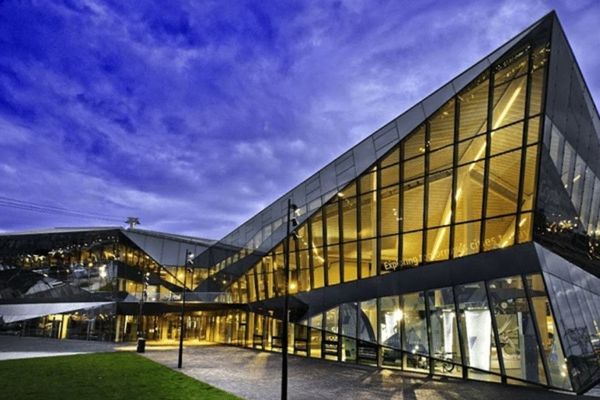
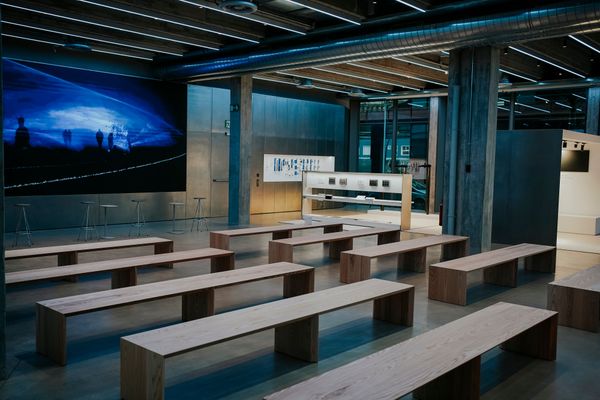
Dr. Juan Luis Higuera-Trujillo, PhD in Architecture, was a featured speaker at one of the sessions of the international Mind-Body-Space symposium, held at La Casa de la Llum by Simon in Barcelona. A professor at the School of Architecture of the University of Cádiz and Project Manager at the Neuroarchitecture Laboratory of the Universitat Politècnica de València, his research focuses on developing architectural design guidelines through virtual reality and neurophysiological data.

A highly respected author with an extensive publication record, he is also the founding president of the Spain Chapter of ANFA (Academy of Neuroscience for Architecture). We spoke with him for Detailers to explore the scope of his research and discuss the current challenges facing neuroarchitecture, a discipline that is attracting growing attention worldwide.

– Your first research project in the field of neuroarchitecture was carried out at the Universitat Politècnica de València, where you co-founded the Neuroarchitecture Laboratory. What was the objective of the study, and what were its main conclusions?

Our overarching goal was to identify architectural design guidelines capable of meeting the cognitive and emotional needs of building occupants. From the outset, we explored a range of environments, including healthcare, urban, commercial and educational settings.

In educational spaces, our aim was to enhance memory and attention—two essential cognitive functions for learning—through classroom design. To achieve this, we combined virtual reality simulations with neurophysiological measurements. We tested more than 500 different spatial configurations, varying elements such as colour, lighting and geometry.

One of our key findings was that low-saturation cool colours applied to classroom walls significantly improved attention and memory performance. Interestingly, these colours outperformed white, despite white remaining the most commonly used finish in educational environments.

We also found that classroom proportions played an important role. Smaller spaces appeared to enhance both memory and attention more effectively than larger ones, perhaps because they foster a greater sense of focus or reduce external stimuli. However, these remain hypotheses that require further investigation.

Our current research focuses on promoting well-being in residential environments. We have already conducted several studies, including the first experimental neuroarchitecture research carried out in real homes, marking an important milestone in the practical application of this discipline.

– What were your findings regarding the lighting variables?

When evaluating lighting, we tested three different colour temperatures and two levels of light intensity. The study revealed that cooler light enhances both memory and attention.

In terms of intensity, however, the effects differed depending on the cognitive function being measured. Lower light levels were found to improve memory, while higher light intensity was associated with greater attention and focus.

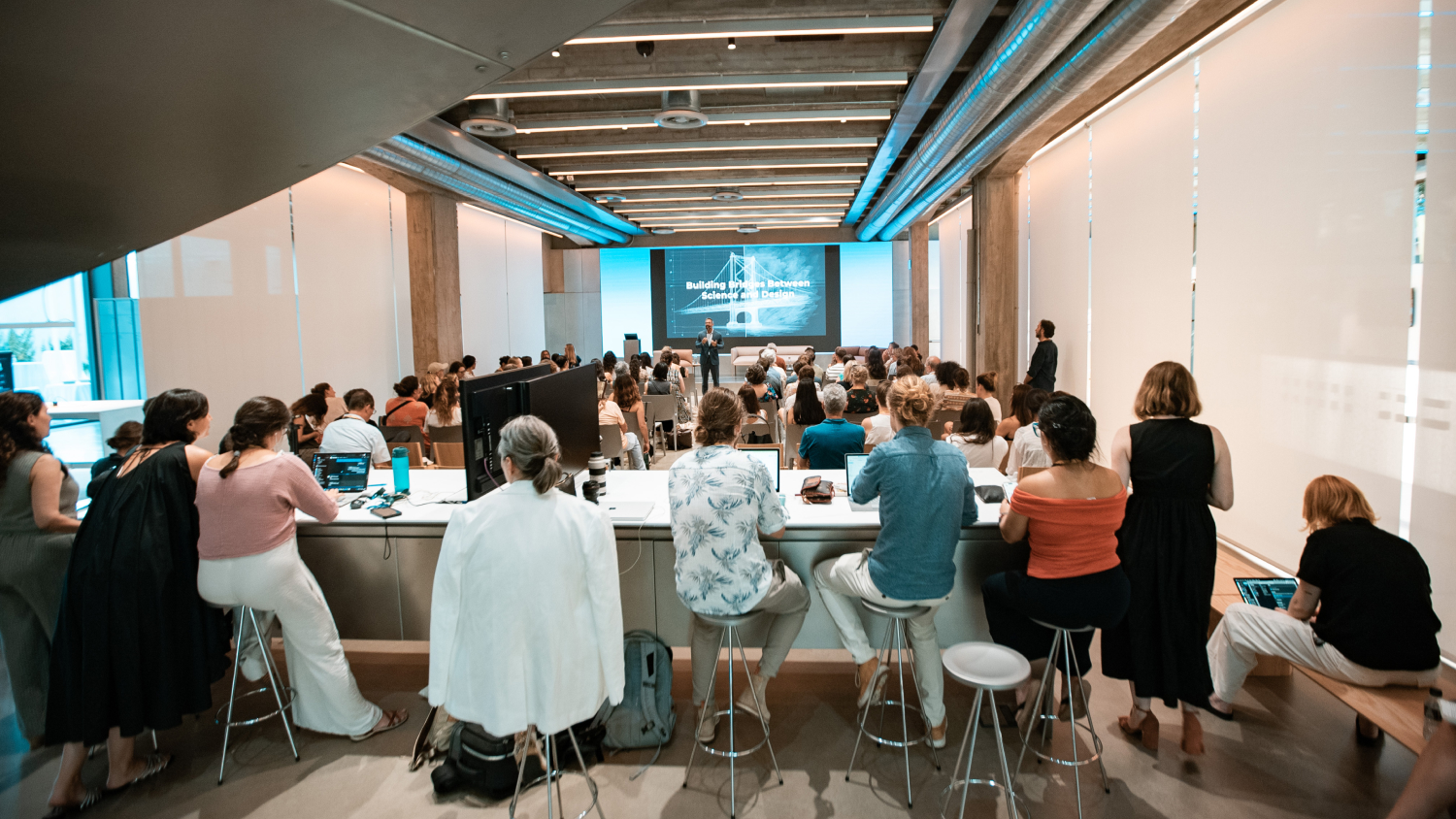
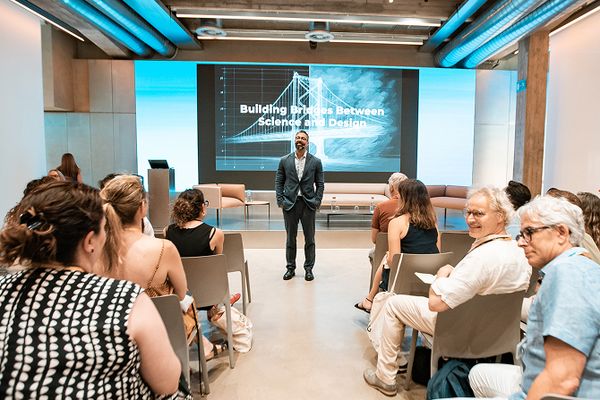
Juan Luis Higuera-Trujillo junto al publico participando en el Simposio Mind-Body-Space en Casa de la Llum - Simon HQ

– You also spent two years teaching and conducting research at Tecnológico de Monterrey in Mexico.

Yes, it was a wonderful experience, and I'm pleased to continue collaborating with them today. One of our main objectives there was to compare the findings obtained in Valencia with those from a different context. As far as our research was able to determine, the results were replicated in most cases.

We also introduced a new variable by comparing students with and without ADHD. We found that the optimal lighting conditions differed between the two groups.

Whenever we apply science-based design principles—including those derived from neuroarchitecture research—we must recognise that there is no universal solution. Design guidelines are not the same for everyone, so they need to be applied thoughtfully and with great care.

That said, the key takeaway is not the differences themselves, but the fact that it is possible to identify lighting configurations that work well for multiple groups of people. It's encouraging to know that these common ground solutions exist. In most cases, the goal is not to design the best environment for a single group, but rather to create spaces that offer the greatest benefit for everyone.

– The presence of nature is also becoming an important area of research in neuroarchitecture.

In Monterrey, we investigated how much exposure to nature is needed to enhance memory and attention. We assessed this by varying the number and position of classroom windows—one side window, two side windows, windows behind the students, and so on—all overlooking natural vegetation.

Our findings showed that as soon as plants were introduced into the visual field, performance in both memory and attention tests improved.

However, when we tested a classroom that was fully integrated into a natural environment, while still containing desks, chairs and a blackboard, attention scores were among the lowest on some of the metrics.

These results suggest that the biophilia hypothesis should be applied with caution. Nature needs to be incorporated in the right measure, depending on the outcome we want to achieve. In design, as in medicine, certain doses can be therapeutic, but exceeding them may produce unintended or even adverse effects.

– You have pointed out that furniture is often overlooked in architectural design.

Yes, and it is a more common mistake than it should be. In our classroom studies, for example, we found that the arrangement of furniture has a measurable impact on learning.

We evaluated several of the most common classroom layouts, including rows, group tables, V-shaped arrangements and individual desks. Each configuration produced different cognitive effects.

For instance, we found that individual desk arrangements significantly improved attention. Paradoxically, however, this was the least appreciated layout by students because it reduced opportunities for social interaction. By contrast, the traditional row layout proved to be the most effective in enhancing memory.

These findings demonstrate that furniture is far more than a secondary design element. It is a flexible, cost-effective variable with a measurable influence on academic performance. When used strategically, furniture design can become a powerful pedagogical tool in its own right.

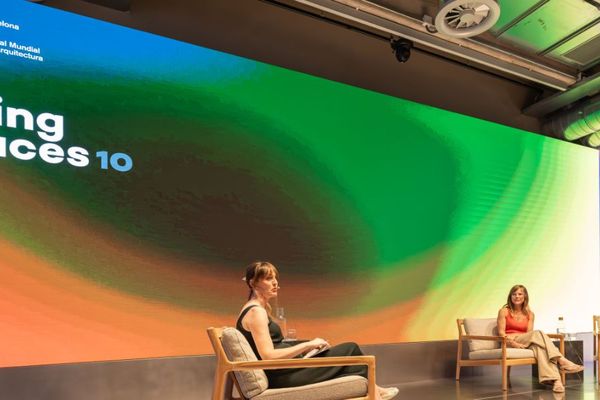
Juan Luis Higuera-Trujillo junto al los ponentes en el primer día del Simposio Mind-Body-Space en Casa de la Llum - Simon HQ

– How have these research findings been translated into real-world practice?

The transfer of this research into practice is still in its early stages. We are learning an increasing amount about how built environments affect the people who use them, although this knowledge is not yet consistently reflected in architectural design.

For example, very few of the design guidelines we identified for university classrooms are actually implemented in the universities where I have taught. Fortunately, however, opportunities to collaborate with organisations and companies are becoming more frequent.

One recent example was a neuroarchitecture research project applied to a multi-purpose classroom at the Universitat Politècnica de València. The study was carried out in several phases, always placing users at the centre of the design process. This allowed us to define design criteria tailored specifically to that environment.

From a lighting perspective, the room's versatility led us to implement a flexible lighting system capable of adjusting different parameters and programming lighting scenes according to the intended use, drawing on the evidence gathered in our previous studies. Beyond its cognitive and emotional benefits, the system also enables lighting zoning, an important feature in a large multi-purpose space.

The lighting solution was provided by Simon. The project was also developed in collaboration with the architecture practice CU4, Actiu, which supplied the furniture, and Greenarea, specialists in creative greenery solutions.

– Could you explain the methodology used in these studies?

In most of our research, we use virtual reality to modify and evaluate architectural spaces. This technology allows us to change multiple design variables while keeping all other conditions constant, making it possible to conduct experiments quickly, cost-effectively and sustainably—something that would be almost impossible to achieve in real-world environments.

Participants remained immersed in the virtual classroom while completing scientifically validated psychological tests that assessed memory and attention. They also answered questionnaires about their emotional responses, perceived performance and overall experience.

One of the most interesting findings was that participants were often unaware of the effects the environment was having on them. Their objective performance—measured through the cognitive tests—did not match their perceived performance, or how well they believed they had performed. Likewise, there was no clear correlation between aesthetic preference and cognitive performance, suggesting that spaces people find visually appealing are not necessarily those that best support learning.

El equipo de ponentes del Simposio Mind-Body-Space, celebrado en Casa de la Llum, Simon HQ

– Your Neuroarchitecture Laboratory has also investigated how architectural spaces can help reduce stress.

In this study, our objective was to reduce stress among companions waiting in paediatric waiting rooms. The research was carried out in several phases. In the final stage, we analysed the impact of different relaxation strategies by comparing them with a baseline waiting room, which was designed as a replica of a representative real-world environment.

We evaluated both visual interventions—such as vegetation and wall décor—and non-visual interventions, including lavender fragrance and background music, as well as the combined effect of both. Virtual reality, like the physical world, can also be multisensory, allowing us to study how different sensory inputs interact.

Our findings showed that the package of non-visual interventions produced a greater reduction in stress than the visual improvements alone. However, when both visual and non-visual elements were combined, the effect was synergistic, meaning the overall benefit was greater than the sum of the individual effects.

I believe these findings provide a compelling illustration of how good design works: different environmental elements can reinforce one another to create a more positive and supportive experience for users.

– What are the main challenges facing neuroarchitecture today?

I would say these challenges are global rather than country-specific. Neuroarchitecture is still a very young discipline, having emerged only around 15 to 20 years ago.

Before that, two essential research tools were not widely accessible: neurophysiological measurements, which provide more objective insights than questionnaires alone, and virtual reality, which allows researchers to manipulate architectural environments with precision. Both technologies have been fundamental to the development of the field.

If research relies solely on questionnaires, it belongs to the field of environmental psychology rather than neuroarchitecture. While both disciplines explore the relationship between people and the built environment, neuroarchitecture specifically integrates objective neuroscientific methods into architectural research.

That said, the underlying idea is not new. As early as the 1950s, architect Richard Neutra argued that architecture should be designed to meet the neurological needs of its users. However, at that time the technologies required to test these ideas simply did not exist. Until relatively recently, neuroarchitecture was either non-existent as a scientific discipline or remained largely a theoretical proposition.

– You often highlight the complexity of the research itself.

Absolutely. One of the most significant challenges facing neuroarchitecture today is the correct interpretation of neurophysiological signals. Each recording contains an enormous amount of information, and it is not always possible to link a particular signal directly to a specific cognitive or emotional state.

This becomes even more challenging when the goal is to study the architectural experience in order to develop practical design guidelines.

This is closely related to another major challenge: every environment and context must be analysed independently. Extrapolating findings without sufficient evidence can easily lead to incorrect conclusions. For example, we cannot assume that the design principles identified in our research on university classrooms can be directly applied to other educational settings, such as early childhood classrooms. At best, the interventions may have no effect; at worst, they could produce outcomes opposite to those intended. Unfortunately, I still come across this type of mistake quite frequently.

Another important challenge is the standardisation of research protocols, which is essential if results from different studies are to be compared reliably. At the same time, we also need to improve the dissemination of research findings, which remains an ongoing challenge within the scientific community.

There is still a great deal of work ahead, but that is precisely what makes this field so exciting.

– You are the founding president of the Spain Chapter of ANFA (Academy of Neuroscience for Architecture). What initiatives are you leading through the organisation?

One of our main priorities is raising awareness and promoting the dissemination of neuroarchitecture.

In January 2024, we organised the First National Congress on Neuroarchitecture in Spain. One of our key objectives was to bring together not only the scientific and academic communities, but also companies and industry professionals, encouraging dialogue between research and practice.

We are currently seeking funding to organise a second edition of the congress in 2026, which we hope will further strengthen collaboration across these sectors.

In parallel, we are also coordinating a special issue on neuroarchitecture for the English-language scientific journal Sensors, helping to expand the international visibility and scientific development of the discipline.

– The Neuroarchitecture Laboratory at the Universitat Politècnica de València is considered a pioneer in the field.

Yes, we are pioneers at an international level. More than 1,000 participants have taken part in our research to date.

In Spain, we were the first Neuroarchitecture Laboratory, and we remain the only one. Internationally, there are still very few laboratories dedicated to this field, and many of them focus primarily on fundamental scientific research. That work is essential for advancing knowledge. However, our approach is more applied, and it is this practical orientation that sets us apart.

Similarly, the different ANFA chapters around the world are mainly dedicated to promoting and disseminating neuroarchitecture rather than conducting research. This highlights another important challenge: strengthening international collaboration among researchers.

Experimental neuroarchitecture research is highly resource-intensive, which means it must be carried out within universities or research institutions. It is simply not feasible to undertake this kind of work independently.

Our laboratory is truly multidisciplinary, bringing together architects, economists, psychologists, civil engineers, biomedical specialists, neuroscientists and virtual reality experts. This diversity of expertise is one of our greatest strengths, providing the scientific rigour and breadth of perspectives needed to tackle such a complex field.

– Twenty years ago, neuroarchitecture was virtually unknown. What first drew you to the field?

I began studying Architecture in 2005, and from the very beginning I was fascinated by the user experience of built environments. That was when I discovered environmental psychology and the valuable insights it offered.

At the same time, however, I recognised one of its limitations: it focuses primarily on people's conscious responses, which represent only a small part of the overall human experience. Back then, there was very little research on what we now call neuroarchitecture. In fact, the discipline had not even been given that name.

That interest eventually led to my doctoral thesis, completed in 2021, entitled Neuroarchitecture: New Metrics for Architectural Design Through the Use of Neurotechnologies, supervised by Professor Carmen Llinares. To the best of our knowledge, it was the first experimental PhD thesis in neuroarchitecture.

Reaching that point required much more than writing a dissertation. Before the research could even begin, we had to establish the Neuroarchitecture Laboratory at the Universitat Politècnica de València from the ground up.

As with any pioneering initiative, the journey was challenging. But we were fortunate to bring together a group of people who shared the same commitment, curiosity and determination to explore uncharted territory with a common goal: to design better spaces for everyone.

– On a more personal level, how did you find your way into neuroarchitecture?

Architecture has always been my passion. From the moment I began studying it, I realised that beyond the technical aspects, what truly fascinated me was the experience that a space can create. It seemed to me that there was an abundance of knowledge about how to build, but far less about how architecture can move, influence and emotionally affect people.

I wanted to design spaces in the best possible way, but I felt I was missing the right tools to do so. In a way, the very difficulty of the challenge made it even more compelling.

That search naturally led me into research. Since then, it has been such an absorbing and rewarding journey that architectural practice itself has gradually taken a secondary role.

Today, my understanding of architecture is much more closely connected to science, while being driven by the same passion that inspired me from the very beginning.

– You believe that neuroarchitecture will fundamentally change the way we design spaces.

Absolutely. We are seeing growing interest among architects and designers in the findings of applied research. In this respect, disciplines such as environmental psychology also have a great deal to contribute.

But I believe the impact will go much further than simply influencing design decisions. Neuroarchitecture has the potential to transform the way we understand, evaluate and experience architecture itself.

There is still much to discover, but science is already allowing us to add a new layer of knowledge to architectural practice by helping us understand how spaces influence our emotions, cognition and overall well-being. As this body of evidence continues to grow, I believe it will become an increasingly important part of the way we conceive and design the built environment.

Conectando ideas y personas durante el Simposio Mind-Body-Space en Casa de la Llum, Simon HQ

– How do you see the future of neuroarchitecture?

There are several important developments on the horizon. One of them is legislation: gradually incorporating scientific evidence into building regulations and official design recommendations, particularly regarding how architectural design influences cognitive and emotional well-being.

This prospect can sometimes raise concerns, but it is important to remember that the processes studied by neuroarchitecture are human and biological, and therefore operate along gradual spectrums rather than rigid rules. We are not talking about prescriptive formulas, but about ranges, nuances and evidence-based guidance. Far from restricting architects' creativity, this knowledge simply provides another layer of information to support better design. The creative possibilities remain virtually limitless.

Another area we are actively working on is certification. In the future, it will be important to certify neuroarchitecture professionals, helping to prevent misapplications of the discipline and reducing the risk of misleading claims. Equally important will be the certification of the cognitive and emotional impact of buildings, since, with the appropriate methodologies, these effects can now be measured objectively.

As I mentioned earlier, I believe this will fundamentally change how we evaluate and choose architecture.

Looking further ahead, one of the next major advances will be the real-time monitoring of users within built environments. Ultimately, the ambition is even greater: to create spaces that can adapt dynamically to the way we feel, responding intelligently to our cognitive and emotional states.

I am convinced that this future will arrive. I cannot say exactly when, but I do know that we will continue working to make it possible.

Interview by Marta Rodríguez Bosch.