)
Tourism today is a dual global phenomenon, capable of generating enormous economic and social benefits — contributing 10% of global GDP — while also leaving serious externalities. As a major consumer of resources, it ends up homogenising landscapes, undermining cultural diversity and authenticity, and ultimately compromising the resilience of societies and ecosystems in many already-fragile host countries.
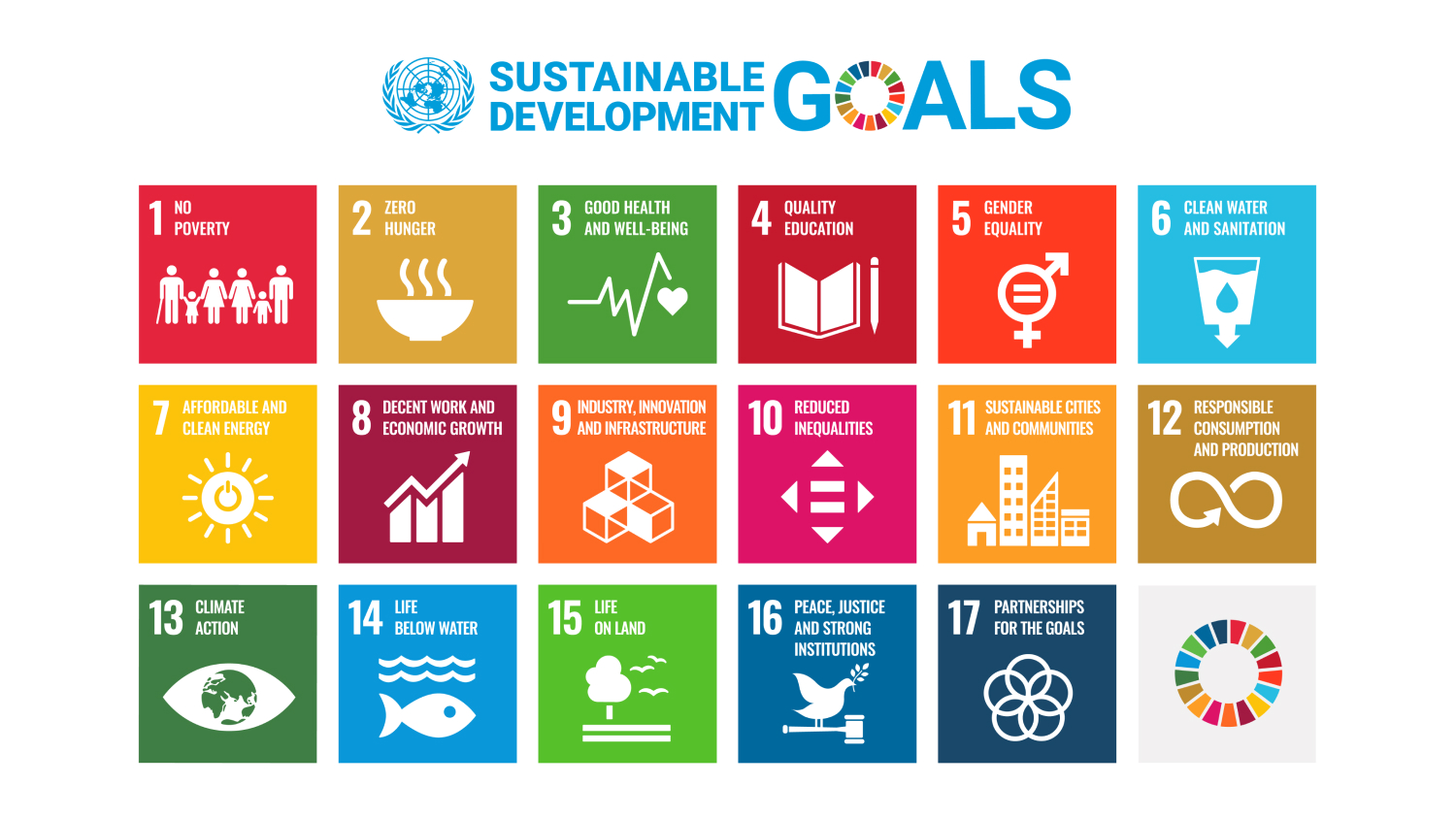
Against this backdrop, sustainable tourism seeks to overcome the dichotomy between human well-being and environmental degradation through a genuine alignment with the Sustainable Development Goals (SDGs). This new approach, with a strong environmental, social and ethical component, seeks a balance between the needs of visitors and hosts grounded in absolute respect for local values, idiosyncrasies and natural and cultural heritage.
Being sustainable has become a draw when choosing a destination, and many countries — even those already combining cultural, sports, religious or gastronomic tourism — are now reorienting their strategy towards a more responsible kind of travel.