The quality specifications document is one of the essential documents in any construction project, whether a home, a public-use building or a full renovation. Its main role is to describe precisely the materials, construction systems and finishes that will be used in the works, providing a clear, detailed picture of the expected level of quality. Thanks to the quality specifications document, both the developer and the end client can know in advance which standards will be applied and what performance the property will have once completed.
What is a construction quality specifications document and what should it include?
11 min read
)
The quality specifications document describes the materials, systems and finishes of a construction project. It covers structure, services, joinery, claddings and construction standards to ensure transparency, quality and project compliance.
Beyond serving as a technical guide, the quality specifications document acts as a formal commitment between the parties involved in the project. It specifies elements as important as the structure, foundations, insulation, electrical and plumbing services, interior and exterior joinery, claddings and HVAC systems. This information makes it possible to avoid misunderstandings, ensure transparency and make sure the execution of the works matches the design.
Furthermore, the quality specifications document also plays a key role in the financial appraisal of the project. By precisely defining the materials and construction solutions, it makes it easier to prepare realistic, comparable budgets across different construction companies. In this way, it becomes an essential tool for decision-making and for quality control throughout the entire construction process.
Why is the quality specifications document key in a construction project?
The quality specifications document is one of the most decisive documents within a construction project because it acts as the bridge between the architectural idea and its real-world materialisation. It is not limited to listing materials: it defines standards, performance and finish levels that directly shape the building's durability, technical behaviour and final perception. In other words, it sets the rules of the game for every agent involved, from the designer to the contractor and the client.
From a technical point of view, the quality specifications document sets the minimum specifications that the construction elements must meet: material strength, thermal and acoustic insulation coefficients, types of services, waterproofing systems, energy efficiency or protective treatments. These parameters not only ensure regulatory compliance but also make it possible to anticipate the building's performance over its service life. A well-prepared document reduces uncertainties and avoids improvisation on site, which translates into tighter control of costs and schedules.
Furthermore, this document plays a key role in contractual management. By clearly defining what will be carried out and to what level of quality, the document becomes an objective reference for evaluating bids, supervising execution and resolving discrepancies. When doubts arise about a finish, a material or an installation, the quality specifications document is the reference point that allows verification of whether what has been carried out matches the design. Its precision is therefore a transparency and protection tool both for the developer and for the end user.
Lastly, the quality specifications document directly affects the perception of the property's value. A project may have an impeccable design, but without a rigorous definition of materials and construction systems, the result may fall short of expectations. For this reason, a well-drafted document not only brings technical rigour but also communicates the intention of the project: its level of comfort, efficiency, durability and character. In short, it is a strategic document that ensures the architectural vision translates into a coherent, functional, quality building.
What should a complete quality specifications document include?
A complete quality specifications document is the document that precisely defines the materials, construction systems and technical performance of a building. Its role is to ensure that every agent involved — developer, designer, contractor and end client — shares the same reference for the expected level of quality.
Furthermore, it makes it possible to control on-site execution, avoid ambiguous interpretations and ensure that the final result meets the comfort, safety and efficiency standards set out in the project.
The drafting of the quality specifications document must be rigorous, detailed and consistent with the architectural design and the regulations in force. For this reason, it must include, as a minimum, the following information:
Description of structural and finishing materials
A quality specifications document must include a detailed, verifiable description of every material used both in the building's structure and in the interior and exterior finishes. This section is essential for ensuring transparency, technical control and consistency with the architectural project.
Among the elements to be described are:
Structural materials
Foundations: type of system (pad footings, slab, piles), concrete used, characteristic strength, reinforcement and special treatments.
Load-bearing structure: description of the structural system (reinforced concrete, steel, laminated timber, mixed structure), sections, steel grades, coatings and protections.
Floor slabs: typology (waffle, one-way, solid slab, precast), thicknesses, strength and acoustic or thermal features where applicable.
Walls and structural enclosures: materials, thicknesses, insulation systems and thermal/acoustic performance.
Finishing materials
Interior claddings: flooring (ceramic, timber, vinyl), wall coverings, suspended ceilings and their technical characteristics (strength, acoustic absorption, fire rating).
Interior and exterior joinery: materials (aluminium, PVC, timber), opening systems, glazing used, insulation levels and certifications.
Façade finishes: type of envelope (ETICS/SATE, ventilated façade, monolayer render, exposed brick), textures, colours and performance.
Equipment and decorative elements: sanitary fittings, taps, electrical mechanisms, luminaires, fitted furniture and any element that forms part of the final finish.
Surface treatments: paints, varnishes, waterproofing, sealing and protective products.
This section should be drafted with the greatest possible precision, avoiding ambiguous terms and ensuring that every material is identified through technical references, applicable standards and, where possible, manufacturer datasheets.
Electrical, plumbing and home automation services
The document must provide a description of the services that give the building functionality and comfort. In the electrical realm, the types of circuits, protections, distribution boards, lighting and provisions for special loads are specified. In this section it is also common to mention the use of mechanisms and solutions from recognised manufacturers, such as Simon, whose range of switches, sockets and control systems guarantees reliability, durability and aesthetic integration in line with the project's design.
In the plumbing services, the pipe materials, drainage systems, domestic hot water generation equipment and consumption-saving devices are detailed, ensuring they meet the requirements for hygiene, pressure and efficiency.
Home automation, increasingly present in contemporary projects, includes control systems for HVAC, lighting, security, blinds or energy monitoring. In this area, smart solutions can also be integrated, compatible with automation platforms such as those developed by Simon, which allow the building to be managed centrally and improve the user experience.
This section ensures that all the services meet criteria of safety, efficiency and usability, adding value and ensuring optimal operation of the building.
Certifications, sustainability and energy efficiency
A complete quality specifications document must incorporate the criteria for sustainability and energy efficiency set out in the project. This includes thermal and acoustic insulation, high-performance joinery, efficient HVAC systems and passive design strategies. Transmittance values, thermal-bridge treatment and the estimated energy rating are also stated.
If the building aims for certifications such as BREEAM, LEED or Passivhaus, the requirements adopted are detailed. This section reflects the project's commitment to environmental performance, energy savings and the quality of the built environment.
Factors to consider in the quality specifications document of a project
As we have seen, the quality specifications document is a fundamental document in any building project, as it precisely defines the materials, construction systems and finishes planned for the works. Drafting it correctly guarantees transparency, technical consistency and legal certainty for every party involved.
Below, we set out the main factors to be considered to ensure a complete, reliable quality specifications document.
Applicable regulations
When drafting the quality specifications document, it is essential to consider the current regulations that govern both the materials and the construction systems. The most relevant include:
Spanish Technical Building Code (CTE), which sets the basic requirements for safety, habitability, energy efficiency and hygiene.
UNE standards and specific regulations (electrical installations, plumbing, HVAC, fire protection, etc.).
Municipal by-laws that may impose additional requirements on sustainability, accessibility or aesthetics.
Sector regulations applicable to specific products (CE marking, quality certifications, mandatory testing).
The document must explicitly reflect compliance with these standards and, where appropriate, include references to certifications or material testing.
Is the quality specifications document binding?
Yes, the quality specifications document has contractual status. It forms part of the documentation handed to the buyer and, therefore, is binding on the developer and the contractor. This means that:
The materials and systems described must be executed exactly as specified.
Any modification must be justified, communicated and, in many cases, accepted by the buyer.
The document serves as a reference to verify that the works have been executed in line with what was agreed.
Its legal value is particularly relevant in housing developments, where it acts as a guarantee of transparency and consumer protection.
Claims for breach
When the materials or finishes executed do not match what is described in the quality specifications document, the buyer can:
Request the replacement or correction of the items that do not match what was agreed.
Claim financial compensation if replacement is not feasible or causes harm.
Resort to legal channels, relying on the Spanish Building Regulation Act (LOE) and on consumer-protection regulations.
The quality specifications document thus becomes a key document to evidence the breach and ground any claim.
Visual compatibility with the architectural project
Beyond its technical and contractual role, the quality specifications document must maintain aesthetic coherence with the architectural project. This entails:
A document well-integrated with the architectural design contributes to a more faithful execution and to a stronger perception of quality on the part of the end user.
Best practices for drafting a professional quality specifications document
Drafting a precise, coherent quality specifications document is essential to guarantee project transparency and avoid conflicts during the works. To achieve a solid, professional document, it is advisable to follow these best practices:
Clarity and precision in the description
Use technical but understandable language, avoiding ambiguity.
Describe each material or construction system with the level of detail required: composition, format, technical characteristics and performance.
Avoid generic terms such as "top-quality material" without specifying standards or concrete references.
Coherent structuring of the content
Organise the document by chapters (foundations, structure, enclosures, services, finishes, etc.).
Keep a logical order that makes it easy for technicians, developers and buyers to consult.
Ensure internal coherence between chapters and with the rest of the project documentation.
Inclusion of technical references
Include UNE standards, sector regulations and the requirements of the Spanish Technical Building Code applicable to each element.
Add datasheets or manufacturer specifications where relevant.
Reference tests, certifications or CE marking for products that require it.
Use of supporting visual material
Include images, sketches or diagrams that help convey the construction solution or the intended finish.
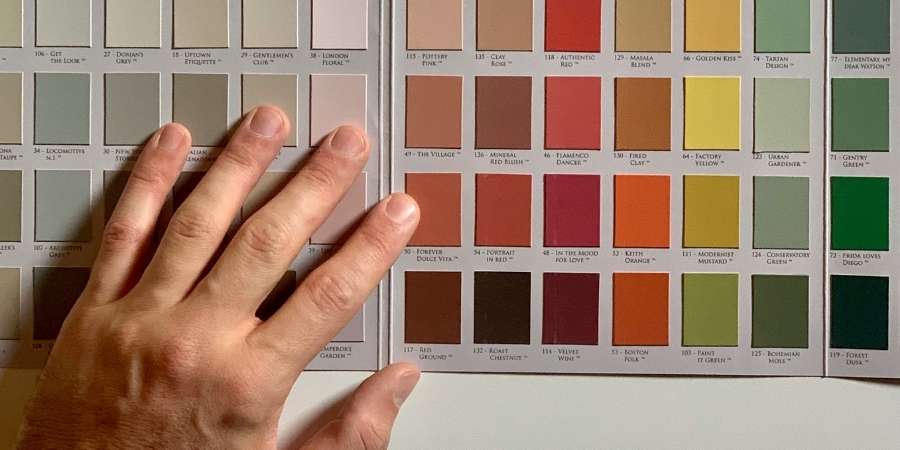
Add visual samples of materials (textures, colours, formats) where possible.
Make sure that the graphic material matches what is described in the text and with the project drawings.
Coherence with the architectural project
Verify that the materials and finishes described match the aesthetic and concept of the project.
Avoid contradictions between the document, the drawings, construction details and commercial renders.
Maintain a consistent quality line across all elements of the building.
Continuous updating and review
Review the document before delivery to correct errors, duplications or inconsistencies.
Update it whenever there are changes in the project or in the applicable regulations.
Validate the content with the various agents involved (architect, engineer, developer, project supervision).
The quality specifications document as a tool to differentiate the project
The quality specifications document should not be seen merely as a technical document for describing materials and construction systems: it is also a strategic piece of communication capable of conveying the project's level of excellence. In high-end developments, this document becomes a differentiating element that reinforces the building's identity, communicates its added value and builds buyer confidence.
A document well prepared, coherent with the architectural design and backed by solid technical references, helps position the project in a higher market segment.
In this regard, the inclusion of brands recognised for their innovation and reliability — such as Simon, a benchmark in lighting solutions and electrical mechanisms — not only guarantees quality but also enhances the perception of prestige and care in every detail of the project.