The uptake of electric vehicles is picking up pace in Morocco, driven by the energy transition and new expectations around sustainable mobility. This shift, however, brings fresh technical challenges — particularly around fire safety. While incidents remain rare, they call for a tailored approach to safeguard both users and infrastructure.
)
Why are we hearing more about the risks today?
Electric vehicles use lithium-ion batteries, well known for their energy performance. In very rare cases, an internal fault, a significant impact or overheating can trigger a phenomenon called thermal runaway (thermal runaway), which can set off a particularly intense fire.
Contrary to some widespread beliefs, international statistics show that electric vehicles do not catch fire more often than combustion-engine vehicles. However, when a fire does involve a lithium-ion battery, putting it out can be more complex because of the very high temperatures and the gases released.
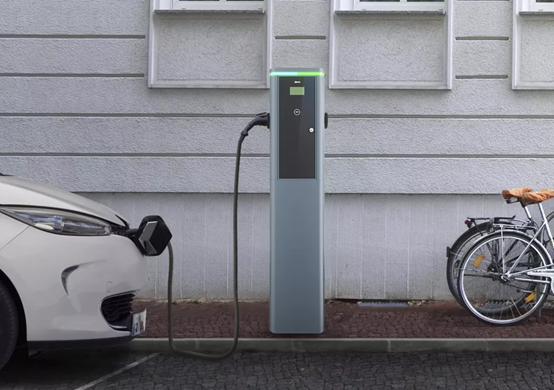
Car parks: an environment that deserves particular attention
Underground or enclosed car parks come with their own set of constraints: confined spaces, limited ventilation and a high concentration of vehicles. This is why several countries are progressively adapting their fire-safety requirements to take EV charging infrastructure into account.
Prevention measures
To limit the risks, several solutions can be put in place:
Early detection of fire outbreaks;
Suitable ventilation systems;
High-performance fire-protection equipment;
Electrical design that complies with current standards;
Regular maintenance of charging installations.
A challenge for Morocco
As the number of electric vehicles in Morocco gradually grows, residential buildings, hotels, shopping centres and car parks will need to build these new safety requirements into their design from the outset. The aim is not to slow down the development of electric mobility, but to support it with reliable, high-performance and safe infrastructure.
Electric mobility represents a major step forward towards more sustainable transport. Like any new technology, it requires technical adjustments to ensure an optimal level of safety. A rigorous design of the electrical installations, combined with suitable fire-protection devices, is today an essential element to support this transition with confidence.